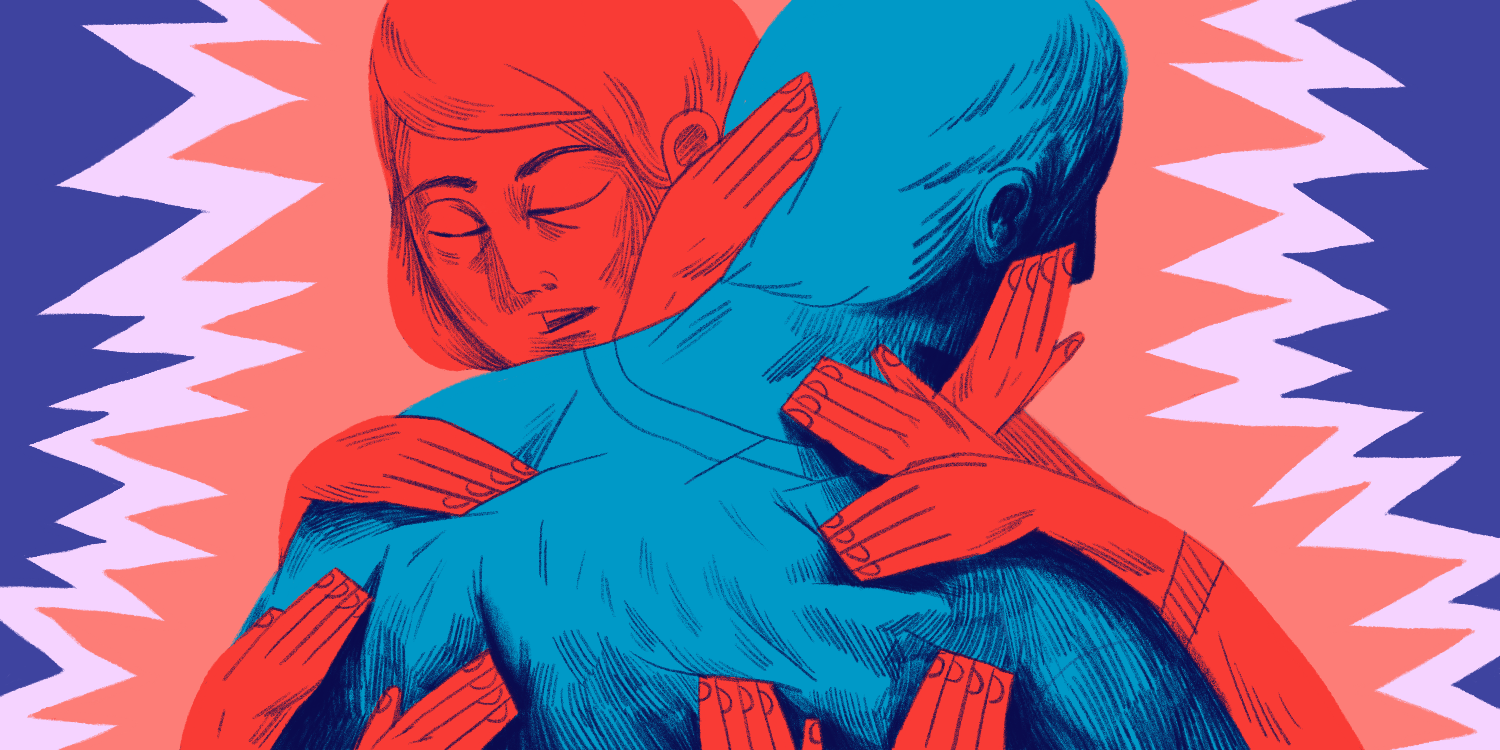
We define anxiety by what happens in the body and we measure the severity of that anxiety by how it manifests physically.
Read More
We define anxiety by what happens in the body and we measure the severity of that anxiety by how it manifests physically.
Read MoreSomatic tools to navigate intense emotions, even when it feels scary.
Read MoreThe success of this relationship relies on understanding the emotions that underlie a partner’s response to stress.
Read MoreWhen we feel shame we may withdraw from others, avoid intimacy, or become defensive or angry.
Read MoreDue to its mindful, body-centered approach, somatic therapy can be an effective way to address and resolve a host of issues related to sex.
Read MoreSelf-protective responses to shame can be a source of misunderstanding and lead to ruptures in relationships.
Read MoreAmbivalent about therapy? It may signal deeper growth—or that you’ve outgrown your therapist.
Read MoreFeeling unsure about therapy? It can open transformative work or show it’s time to move on.
Read MoreBefriending your emotions impacts your experiences and your ability to work with your emotions rather than feeling controlled by them.
Read MoreSoften how frightening the symptoms of a panic attack are by making the situation feel a bit more controlled.
Read MoreExperiencing anger to increase confidence, feel calmer, buoy your mood, practice healthy boundaries, improve your relationships, and demand justice.
Read MoreMany people struggle with procrastination, but are not in touch with why they are avoiding these tasks in the first place.
Read MoreDo you struggle to manage perfectionism and your ‘inner critic’ in the creative process? Learn how to identify and manage anxiety related to self-expression and art.
Read MoreThere are unique challenges when it comes to living in New York City while managing symptoms of PTSD — but therapy can help.
Read MoreClimate change anxiety can feel overwhelming to deal with. Yet DST therapist Melanie Berkowitz says that much of climate anxiety is actually healthy.
Read MoreWorkers don’t always have the kinds of resources to leave a toxic and unhealthy work environment. This kind of violation is called ‘Institutional Betrayal,’ a term coined by psychologist and researcher, Dr. Jennifer Freyd.
Read MoreSometimes one mental health diagnosis co-exists with another one. In the world of eating disorders, depression is the most commonly associated mental health diagnosis.
Read MoreThose of us with anxious attachment style need to take extra care to watch out for ways we may be self-sabotaging our romantic relationships.
Read MoreBy admitting when we are bored, we can begin to move into richer emotional territory. Explore the ideas and emotions that our agitation and boredom are covering up.
Read MoreFading into the background while others engage in animated debates? Often feeling like too many things in your relationship are left unsaid? You may be conflict avoidant.
Read More